
Most inspection-period blowups start with a buyer's plumber pulling a $9,000 quote out of a 30-second camera. A seller-side scope turns the same defect into a priced-in, disclosed, repaired, or as-is decision you control. Indianapolis pre-1980 stock especially.
A buyer-side sewer scope inside the inspection period is the most common deal-blowup trigger in older Indianapolis stock. Not because the defect is necessarily catastrophic. Because the buyer's plumber turns it into a $9,000 quote, the buyer panics, the agents lose the weekend, and the seller takes a price cut, a credit, or a cancellation.
A pre-sale scope removes the surprise. You learn what the buyer will learn, two weeks before you have a contract on the line. From there you have three clean choices.
1. Fix it now and remove the issue from the listing. 2. Disclose it and price it in. 3. Sell as-is with the report attached. All three beat finding out during the inspection period.
"We are not plumbers. We hand you the record. Whether you fix, disclose, or list as-is is your call and your agent's." Patrick Grayson, founder · Sewer Scope
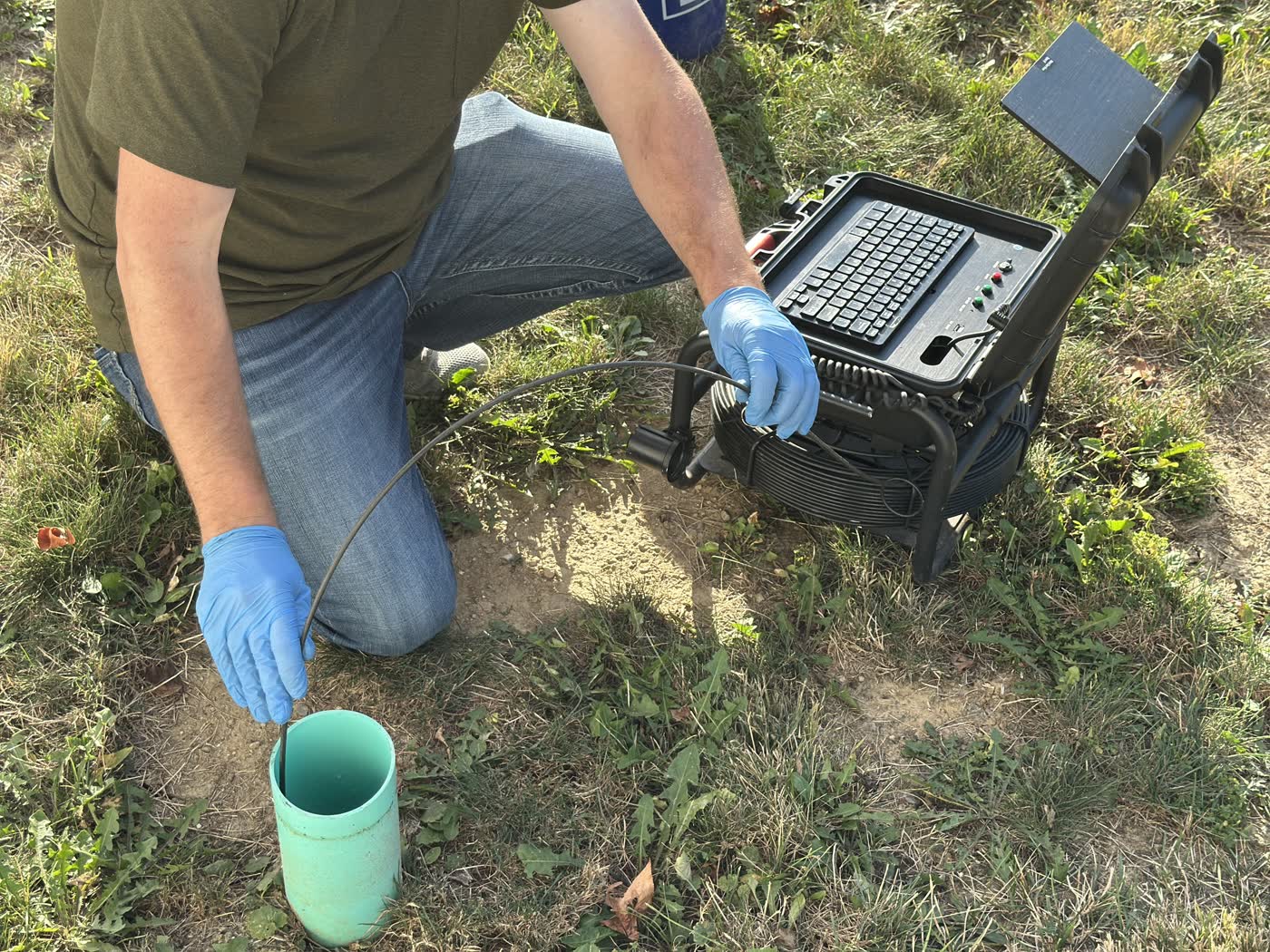
Every Sewer Scope PDF is designed to drop into the seller's disclosure packet without reformatting. Page 1 is a 3-sentence plain-English summary. Pages 2 through 6 are documented on video.
Indiana law requires sellers to disclose known material defects to prospective buyers. If the scope finds a defect, that's material. Attaching the report cleanly is your strongest defense against a post-close dispute. Confirm specifics with your real-estate attorney (Indiana General Assembly).
The National Association of Realtors recommends documented disclosure of any known systems condition that materially affects value. A scope report is exactly that document (NAR Code of Ethics).
The PDF and video link are professional by design. Title companies, attorneys, underwriters, and inspectors all read the same format. No interpretation gap between parties.
Orangeburg pipe was manufactured from the 1860s through the 1970s and was most common in homes built 1945 to 1972 (Wikipedia). Useful life is roughly 50 years ideal. Known failures hit as early as 10 years, with deformation typical around the 30-year mark (InspectAPedia).
That puts every Marion County home in the 1945-to-1972 build window at presumed risk until scoped. 46201 Near Eastside, 46208 Crown Hill, 46220 Broad Ripple, 46226 Devonshire, and 46227 Southport are all on the high-risk side of that line.
Cast iron, used widely from the 1920s through the 1980s, has a 50-to-100-year lifespan with deterioration often beginning after 25 years (Balkan Plumbing). Indianapolis clay soils accelerate the rust and scale. Cast iron descaling runs $200 to $800 in the Indianapolis market. Full replacement scales much higher.
Sellers in these ZIPs who scope first reach closing with the disclosure already aligned. Sellers who don't usually meet the camera operator anyway, on the buyer's terms, on the buyer's clock.
Once the report lands, you have a finite set of choices. None of them are wrong. All of them beat learning the same news two days before closing.
Repair the defect, get a clean-pipe re-scope, attach both reports to the disclosure. The listing photo is clean pipe. Highest sale price, longest lead time.
List with the report attached, set asking price below comparable clean-pipe homes by the repair cost. Buyers walk in knowing the math. Faster than fixing, similar net.
Investor-friendly listings work well here. Attach the report, set the price to clear, name the strategy. Common in pre-1972 stock where land + structure value outpaces the lateral risk.
Questions from Google's People Also Ask panels, May 2026.
For any home built before 1980, yes. The seller-side scope is the single best defense against an inspection-period blowup. You learn what the buyer will learn, before you have a contract and a closing date on the line. Indianapolis pre-1972 stock especially, because the Orangeburg failure window is wide open right now.
Source · Orangeburg pipe, Wikipedia, InspectAPediaThree paths. Fix it before listing and remove the issue. Disclose it and price it in. Sell the home as-is at a lower price with the report attached. All three beat finding out during inspection period. Your agent will pick the path that matches market conditions and your selling timeline.
Source · NARIndiana disclosure law (IC 32-21-5) requires sellers to disclose known material defects to prospective buyers. A sewer scope report is material if it identifies a defect. Once you know, you are required to disclose. That is exactly why some sellers prefer not to scope and instead price the home with the unknown built in. Both approaches are legal. Talk to your real-estate attorney before deciding.
Source · Indiana General Assembly, Title 32$200 to $300 in the Indianapolis market. The invoice is sent after the report is delivered, so the seller does not write a check at inspection. If the listing falls through, the inspection invoice is the only out-of-pocket cost.
Source · AngiAt least 2 to 3 weeks before listing. That leaves time for the report (24 hours), a plumber to bid any repair, decision time on which of the three paths you take, and alignment with your agent on listing copy. Sewer Scope maintains same-week scheduling so this is rarely the bottleneck.
Source · Rocket MortgageIndianapolis is live today. Cincinnati, Denver, and Fort Wayne route through corporate. Pre-sale scope, same-week scheduling, same simple, professional report.