
Half the buyers we book think their FHA loan requires a sewer scope. It does not. FHA does require septic inspection on properties with septic systems, with specific distance-separation rules between septic and well. Individual lenders frequently add overlays on top of FHA baseline. The truth, sourced.
This is the single most-misunderstood line in pre-purchase due diligence. Buyers, agents, and sometimes loan officers will say "FHA requires a sewer scope," but the FHA Handbook 4000.1 does not. FHA requires the appraiser to verify that plumbing systems are functional and that no visible defect compromises safety or sanitation. FHA does not require a camera inspection of the buried lateral as a baseline appraisal requirement.
The FHA News Blog summarizes the position directly: FHA appraisal requirements for sewer and septic systems focus on functionality, safety, and code compliance. The appraiser inspects what is visible and flags evidence of failure. For city-sewer homes, the appraiser is not running a camera into the lateral (per FHA News Blog's appraisal requirements reference). FHA.com's parallel article walks through the same framework: connected city sewer is treated as a functional public utility absent visible failure (per FHA.com's sewer/septic appraisal article).
That is the FHA baseline. The reality on the ground in many markets is that individual lenders add overlays based on property age, ZIP risk, prior claims, or appraiser observations. Those overlays are lender requirements, not FHA requirements. The distinction matters because a buyer can sometimes shop lenders to avoid an overlay, but they cannot shop the FHA baseline.
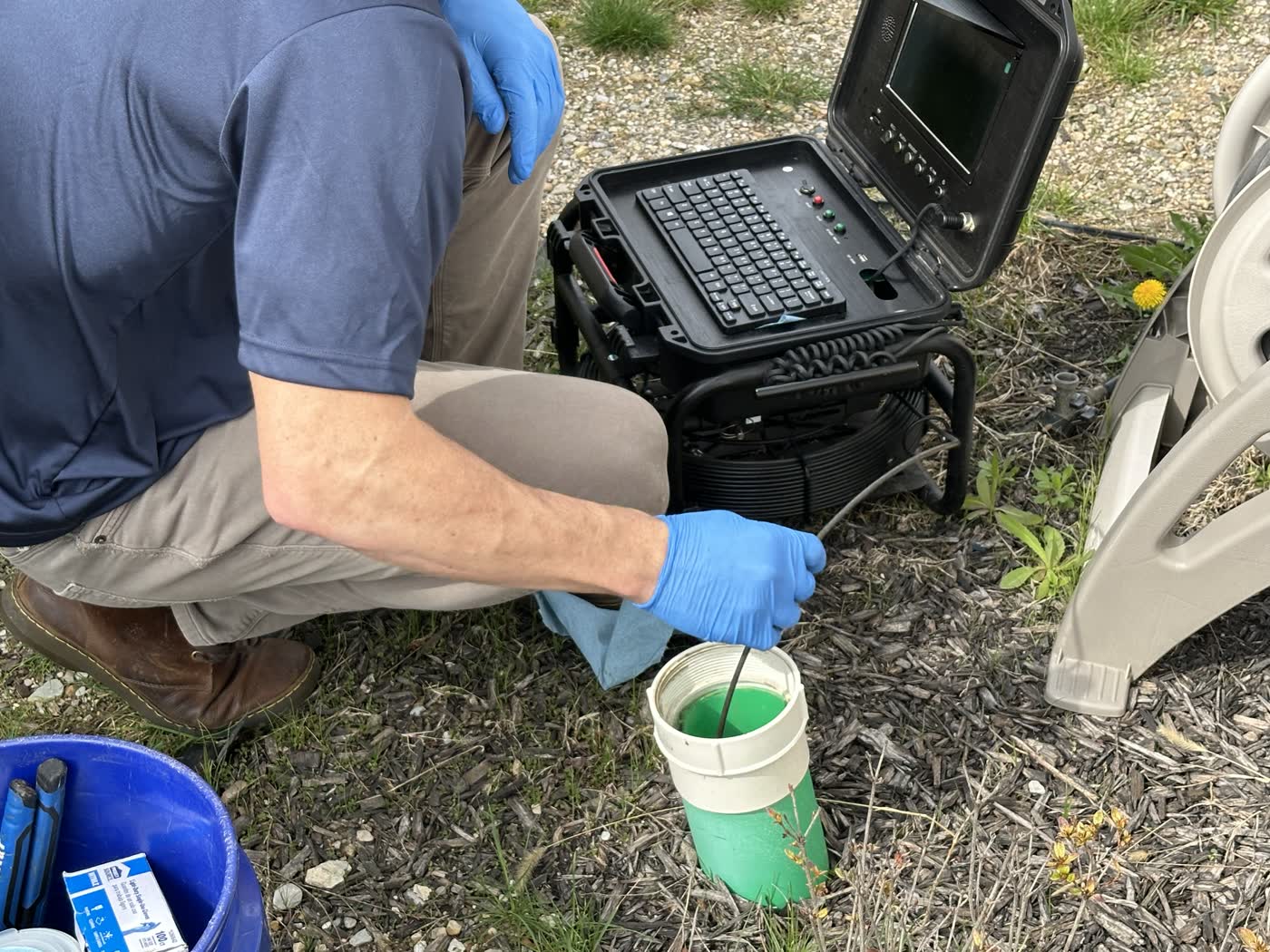
FHA does require inspection of private septic systems on FHA-insured loans. The septic system must be safe, sanitary, and meet local code. The appraiser flags any visible failure (lawn depressions over the leach field, sewage smell, surface seepage) and the lender may require a separate septic inspection before closing.
FHA also enforces distance separation rules between septic systems and water sources. The minimum FHA distance between a private well and a septic tank is 50 feet. The minimum between a well and the absorption field (leach field) is 100 feet. Local jurisdiction can impose stricter rules; FHA accepts whichever rule is more conservative (per FHA News Blog's distance requirements reference).
The HUD Single Family Handbook 4000.1 is the authoritative document for FHA appraisal and inspection requirements (per HUD's Single Family Handbook). The septic section sits inside the appraiser's property-condition checklist. For a buyer financing a rural Indiana home with a septic system on an FHA loan, the septic inspection is required. A camera scope of the lateral is not.
A lender overlay is a credit or property condition the lender imposes on top of FHA's baseline. Overlays exist because lenders carry default risk on the loans they originate, even when the loans are FHA-insured. A lender that has paid out claims on properties with failed sewer laterals in a particular ZIP, on homes of a particular era, or after appraiser-flagged conditions may add a sewer-scope requirement to its underwriting.
Common overlay triggers we see in Indianapolis and our other metros:
None of these overlays are FHA baseline. All of them are lender business decisions on top of FHA baseline. The buyer's loan officer is the authoritative source for any lender-specific overlay. Ask early in the option period: "Will my lender require a sewer scope for this property?" If yes, schedule the scope on day one of the option window.
VA loans (the Department of Veterans Affairs program) and USDA Rural Development loans both require an appraiser-conducted property condition assessment. Neither program requires a sewer scope as a baseline. Both programs require septic inspection for properties on septic, and both apply distance separation rules between septic and well.
Lender overlays apply to VA and USDA loans the same way they apply to FHA loans. A VA-approved lender can require a sewer scope based on the same factors a conventional or FHA lender might (age, ZIP, appraiser observation). USDA Rural Development loans, by virtue of their rural property focus, see septic inspection more often than scope.
Conventional loans (Fannie Mae, Freddie Mac) have no government-mandated scope requirement either. The lender sets the policy. Buyer-paid sewer scope inspections on conventional loans are entirely optional from the lender's perspective and entirely advisable from the buyer's perspective for pre-1980 homes.
1. Is this property served by city sewer or septic? The answer determines which inspection FHA requires. City sewer means the FHA baseline does not include scope. Septic means FHA requires the septic inspection. Sometimes the seller does not know. The county utility office or the title company can confirm.
2. Will your underwriting add a sewer scope overlay? Some lenders disclose overlays in the initial loan estimate. Others surface them later in underwriting. Asking on day one of the option period gives the buyer time to schedule the scope before the option period expires.
3. If the scope finds a defect, what is the remedy path? The standard remedy is for the buyer and seller to negotiate the repair (seller pays, buyer accepts a credit, deal renegotiates). Some lenders will require the repair to complete before closing. Others accept a repair escrow. Knowing the lender's path early lets the buyer's agent negotiate the right remedy if a defect is found.
The lender, the appraiser, and the buyer's agent are the three sources of truth on any specific transaction. Sewer Scope does not interpret FHA underwriting; we run the camera and hand over the report. The lender uses the report to make the final call.
The questions Google's People Also Ask panel surfaces for FHA sewer scope queries, paired with sourced answers.
No, not on properties served by a city sewer connection. FHA appraisers must flag visible failure of plumbing systems, but FHA does not require a camera inspection of the buried lateral as a baseline appraisal requirement. Individual lenders can add scope requirements on top of FHA baseline.
Source: FHA News Blog · FHA.comFHA requires inspection of private septic systems on FHA-insured loans. The system must be safe, sanitary, and meet local code. FHA also enforces specific distance separation rules between the septic system and any private well.
Source: FHA News Blog · HUD Handbook 4000.1FHA requires the appraiser to verify that plumbing systems are functional and that no visible defect compromises safety or sanitation. If the appraiser observes evidence of a failed sewer lateral (sinkholes, lawn depressions, sewage smell, backups), the appraiser will flag the property and the lender may require a repair before clearing the loan to close.
Source: FHA.comFHA distance separation rules require a minimum 50 feet between a private well and the septic tank, and 100 feet between the well and the septic absorption field (the leach field). Local jurisdictions can impose stricter rules. FHA accepts whichever rule is more conservative.
Source: FHA News BlogYes. Lender overlays sit on top of FHA baseline. Common triggers include property age (pre-1980), ZIP risk (lenders with prior claim history in specific ZIPs), and appraiser observations. The buyer's loan officer is the authoritative source for any lender-specific overlay.
Source: FHA.comThe definitive pillar: how the camera works, what it finds, how it differs from a home inspection, when you need one.
National range, Indianapolis specifics, bundled-vs-standalone pricing, and the "pay at close" model.
The seven defects, sourced photos, real repair costs, and how to read the report.
Looking for Indianapolis-specific FHA + lender-overlay patterns? Indianapolis FHA + lender overlay guide →