
A known condition you priced in is not the same as a deal-blowup discovered during the buyer inspection period. We scope the lateral before listing, hand you the record, and you choose: fix it, price it in, or list as-is with the report attached to the Indiana Code 32-21-5 disclosure. Same-week scheduling across Marion, Hamilton, and Hendricks counties.
Indiana Code 32-21-5 requires residential sellers to provide a written disclosure of the condition of property systems including plumbing and sewer (Indiana General Assembly). Sellers must disclose known material defects. The disclosure form is the standard one used by Indiana Real Estate Commission licensees and is part of every legal residential closing in Marion County (Indiana Real Estate Commission).
The disclosure asks what the seller knows. A pre-sale sewer scope gives the seller a documented record of what is and is not known. That is the foundation of an honest disclosure. NAR national guidance reinforces the same point: disclosure is what protects sellers from post-closing disputes (NAR seller disclosure resources).
What the scope cannot do: turn a defect into a non-defect. It can only document what is there. Sellers who hold the report can attach it, address the defect before list, or price the home with the defect known. Each is a legitimate choice.
Indianapolis ZIPs with the highest Orangeburg pipe risk are the ones where most of the homes were built 1945 to 1972. The bungalow belts and the post-war ranch belts. If your listing falls in one of these, the scope finds whatever is there before the buyer plumber finds it on day 4 of the inspection period.
Boomed 1920s and 1930s. Most homes pre-1940. Orangeburg replacements common 1945 to 1972 so any post-war lateral repair from that window is itself now at risk. Silver maples planted close to laterals are textbook root-intrusion cases (Carter My Plumber Indianapolis).
Developed 1950s to 1970s. Peak Orangeburg-era housing stock. Most original laterals would have been Orangeburg or transitional clay tile. Strongly recommend scope before listing.
1950s to 1970s ranch-heavy. Lateral materials from this era are at or past useful life. Cast iron mains may be scaled but often still serviceable with descaling (Balkan Plumbing).
Early 1900s to 1930s. Largely pre-war housing stock. High likelihood of Orangeburg lateral plus cast iron mains. Mature trees elevate root intrusion risk.
Historic Indianapolis core. Most homes pre-1940. Clay tile and Orangeburg lateral risk is very high. Cast iron mains likely scaled significantly.
Mix of late 1800s and post-1990 infill. Pre-war homes carry significant Orangeburg risk. Newer infill is lower risk, but not risk-free: even newer homes fail a sewer scope about 40% of the time, so a scope is still worth it. Check construction date for the specific listing.
A pre-sale scope is not a commitment to fix. It is a commitment to know. After the report lands, the Indianapolis seller and listing agent have three legitimate paths:
Fix before list. Repair the defect before the home goes on market. The disclosure says the lateral was repaired in date-X with documented Indianapolis plumber (your choice). The home lists clean. Most useful for low-cost fixes like hydro-jetting ($350 to $600) or descaling ($200 to $800) where the math obviously works.
Price it in. Set the list price with the disclosed defect in mind. The disclosure attaches the scope report. The home lists at a number that already reflects the issue. The seller does not absorb a renegotiation surprise during the inspection period. Useful for mid-cost fixes like belly repair ($1,500 to $4,500) or root lining ($100 to $600).
List as-is, disclose, let the buyer choose. The disclosure attaches the report. The buyer knows before offering. Many Indianapolis investors and contractor-buyers will still write an offer on a property with a documented defect, particularly in Orangeburg-era neighborhoods where the issue is expected. The disclosure protects the seller from claims that the defect was concealed.
What the scope changes is not whether the defect exists. The scope changes which side of the closing the seller is on when it gets discovered.
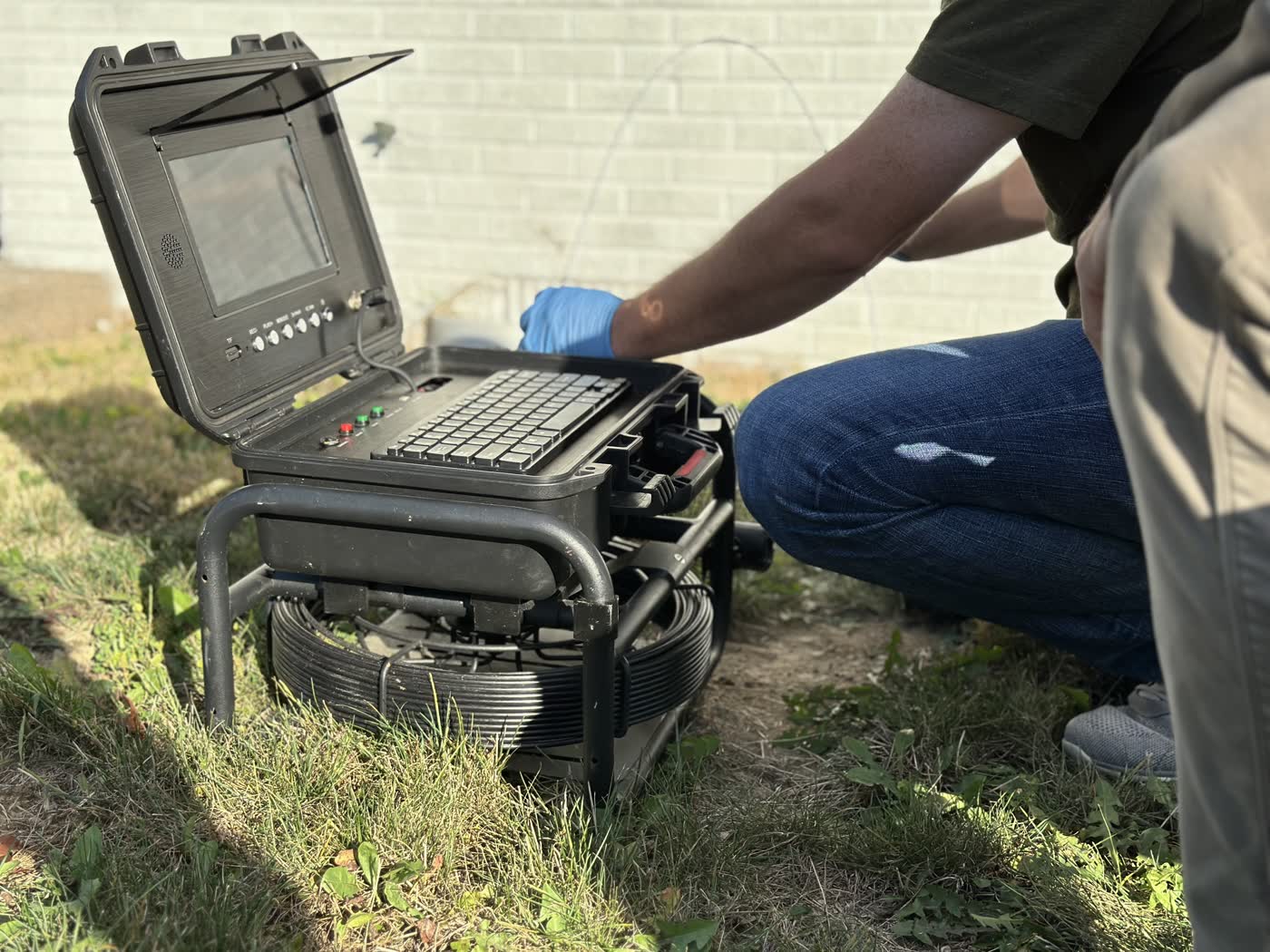
Book Indianapolis scope through listing agent or directly. Same-week appointments standard. 25 minutes on site. report in 24 hours. Quietly. Before professional photos, before MLS upload, before the sign goes up.
Read the report with your listing agent. Pick the path: fix, price in, or disclose as-is. If repair is the path, the buyer plumber bid happens now (Carter My Plumber, Patriot Dirt, Gold's Sewer Line, or your choice).
Indiana Code 32-21-5 disclosure attaches the scope PDF and video link. Buyer agents see it during showings. No surprise on day 4 of the inspection period. Most buyers move forward with what they already knew about.
The buyer scope (if ordered) confirms what your pre-sale scope showed. Both reports match. No renegotiation drama. Indianapolis title closes on the price you set.
Indianapolis-localized People Also Ask, May 2026.
A known condition you priced in is not the same as a deal-blowup discovered during the buyer inspection period. Scoping before listing lets the Indianapolis seller attach the report to the disclosure, set the price with the defect in mind, and avoid a renegotiation 4 days into the inspection period. Pre-1972 Marion County stock is particularly worth scoping because Orangeburg-era lateral failure is statistically likely.
Source · Indiana General Assembly IC 32-21-5, NARIndiana Code 32-21-5 requires residential sellers to provide a written disclosure of the condition of property systems including plumbing and sewer. Sellers must disclose known material defects. A pre-sale sewer scope gives the seller a documented record of what is and is not known. That documented record is the foundation of an honest disclosure and the seller's primary defense against post-closing claims.
Source · Indiana General Assembly, Indiana Real Estate CommissionPre-1972 Orangeburg-era neighborhoods carry the highest risk: 46220 Broad Ripple and Meridian-Kessler, 46226 Devonshire-Lawrence, 46227 Southport, 46208 Crown Hill and Butler-Tarkington, and 46201 Near Eastside and Irvington. Pre-1980 cast iron risk is broader still. The Indianapolis ZIP risk lookup on this site grades every Marion, Hamilton, and Hendricks county ZIP we cover.
Source · Indianapolis ZIP risk lookup, Meridian-Kessler WikipediaThe seller chooses. Fix it before listing (best for low-cost defects like root clearing at $100 to $600 or descaling at $200 to $800). Price it in (best for mid-cost like belly repair at $1,500 to $4,500). List as-is with the report attached (legitimate for any defect, particularly common in Orangeburg-era neighborhoods where buyers expect the issue). Each is a legitimate choice. The scope produces the record. The seller and listing agent decide the strategy.
Source · Carter My Plumber Indianapolis, Indy cost calculator on this siteThe Indianapolis pre-sale scope is the same $200 to $300 as the buyer scope. It is a listing expense billed at completion, never collected at closing. Sewer Scope Indianapolis invoices at completion. You pay after the inspection. No deposit and no upfront payment.
Source · Angi cost dataSame-week appointments across Marion, Hamilton, and Hendricks counties. Quiet, before MLS upload. report in 24 hours.